Sprengidagur: Iceland’s “Bursting Day”
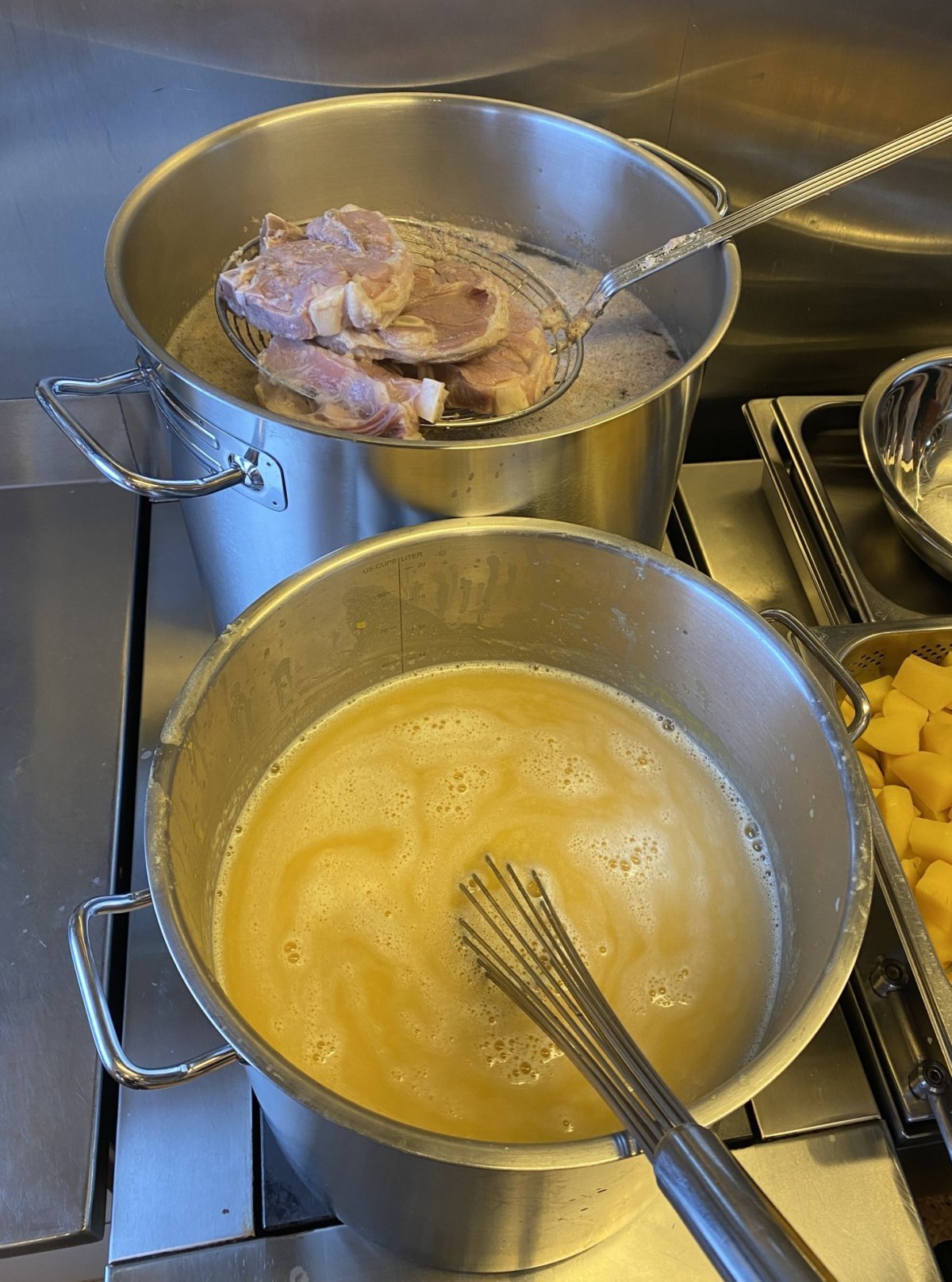
On the Tuesday before Ash Wednesday, Icelanders observe Sprengidagur, or “Bursting Day,” a long-standing tradition that marks the end of pre-Lenten festivities.
Part of the wider Shrovetide celebrations across Christian Europe, Sprengidagur is rooted in the custom of feasting before the solemn season of Lent begins. The name derives from the Icelandic verb “sprengja,” meaning “to burst,” reflecting the tradition of eating to the point of fullness as a symbolic final indulgence before a period historically associated with fasting and reflection.
Central to the day’s observance is the hearty dish Saltkjöt og baunir — salted meat and peas — a filling meal that has become synonymous with the holiday. The dish, typically prepared with salted lamb and yellow peas, reflects both Iceland’s culinary heritage and the practical preservation methods historically used during the winter months.
Although Sprengidagur is not a public holiday, it remains culturally significant. Families and communities gather to share the traditional meal, keeping alive a custom that blends faith, history, and food.
Sprengidagur forms part of Iceland’s three-day Shrovetide sequence, following Bolludagur (Bun Day) and preceding Öskudagur (Ash Wednesday), marking the transition from festivity to the more contemplative Lenten season.